

Dry Needling vs Acupuncture
There is a lot of discourse around the differences between dry needling and traditional acupuncture. People often argue that they are the same, but in reality they have a variety of differences and they work in vastly different ways. One isn’t necessarily better than the other, but they each have their own place in practice. In this post I’m going to explain the difference between the two and in what situation you would use one over the other.
First, I’ll go over dry needling and describe what it is and what it does.
Dry needling originated in the west about 85 years ago and does not originate from acupuncture in any way. It is solely based around the body’s anatomy and physiology. The term “dry” needling is used because there is nothing being injected into the body, it’s just a needle being used to stimulate trigger points. Whereas “wet” needling injects things such as local anesthetic, saline, or corticosteroids directly into the muscle knot. Dry needling is also often referred to as trigger point needling or intramuscular stimulation (IMS). This technique is done by finding a trigger point in a muscle and needling directly into it. In doing this, it can help to reduce muscle pain and increase range of motion. Through needling the trigger point you are increasing blood flow to the area, it calms the overactive nerves, prompts the nervous system to release endorphins and lower inflammation, and the spasm or contraction that happen as a result help to reset the muscle that is currently in a constant state of tension. In Canada, dry needling can be performed by a physiotherapist, medical doctor, chiropractor, naturopathic doctors, or acupuncturist as long as they have the proper credentials.
How is this any different than traditional acupuncture?
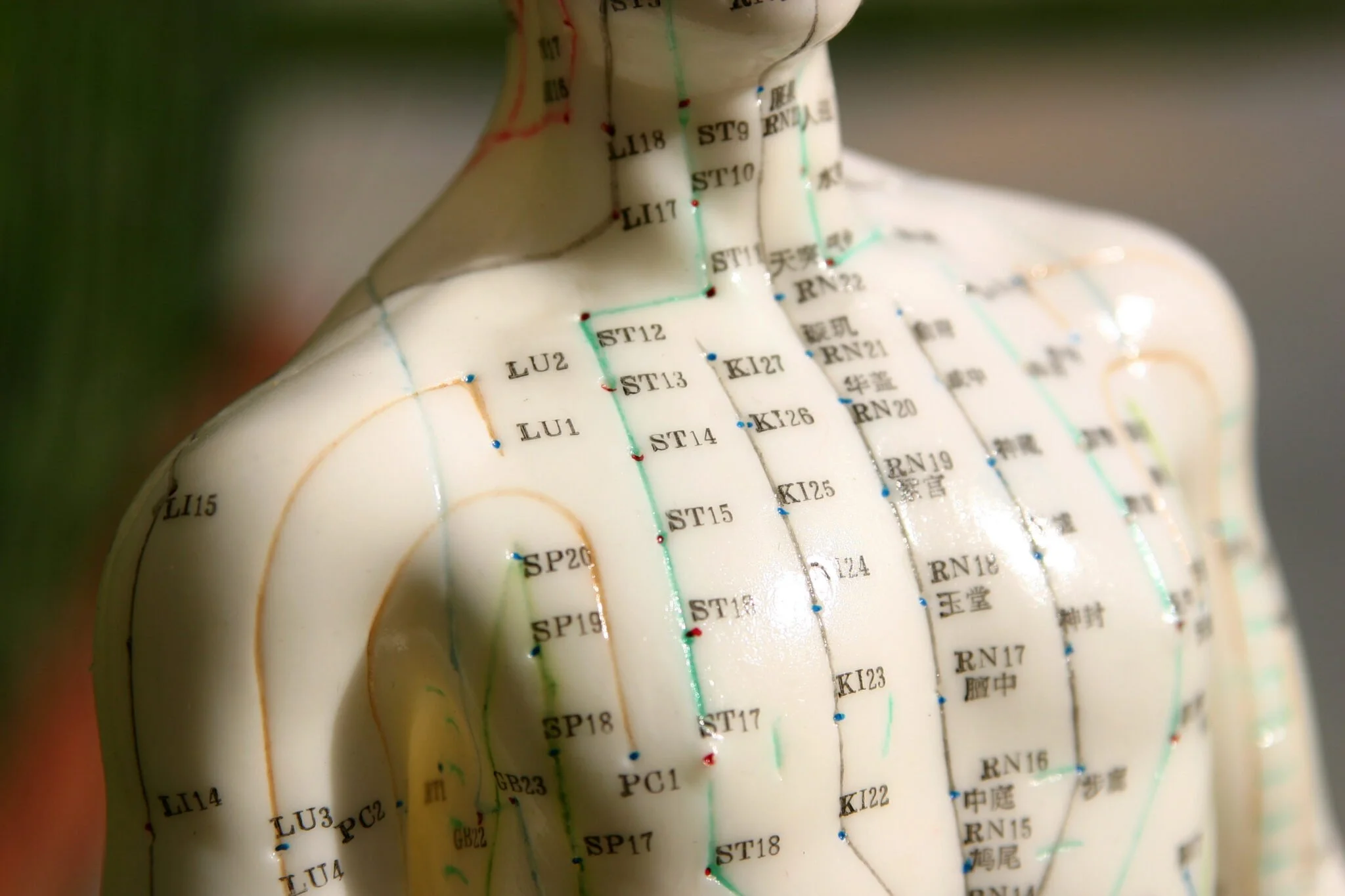
Acupuncture originated in ancient China and dates back to around 2000 to 2500 years ago. When receiving acupuncture, the needles are placed all over the body based on a meridian system invisible to the eye. Each meridian has its own set of points, and each point has its own function. These points can be used for far more than just treating pain. Some examples of things acupuncture can treat include indigestion, insomnia, night sweats, headaches, hot flashes, dysmenorrhea, constipation, and so much more. Acupuncture has the same effect on the body that dry needling does while at the same time as influencing what is referred to as “Qi” making it possible to treat a variety of issues beyond just pain. Acupuncture often can have a much more relaxing effect since on many occasions the needles are just being inserted and there isn’t stimulation involved. Depending on what is being treated stimulating the needles may be necessary but it’s also very common for the patient to get to lie there while the needles work their magic.
Another large difference between the two techniques is that dry needling is obtained through a course than can take anywhere from a weekend to about 6 months. You have to have pre-existing certifications in necessary professions therefore the practitioner administering the needles will have ample knowledge on body anatomy and structure. Acupuncture takes 3-4 years of full time schooling to learn and it has many more layers than just learning where on the body points are located. Only registered acupuncturists or doctors of traditional Chinese medicine can properly claim that they administer acupuncture.
No matter what form of needling you are looking to get, it is extremely important to find a licensed professional to ensure you’re getting the highest level of care and ensuring your safety. Both techniques are valid in their own way and perfectly safe as long as you’re getting it done by a licensed professional.